Leading the Pack in Cybersecurity
A Conversation with Laura Rodgers, NC State Director of Cybersecurity Practice and Director of NC-PaCE

“In 2025 alone, over nine million residents of North Carolina were impacted by data breaches or online scams. Every breach — no matter how small — is a dent in the armor of this country.”
For over four years, Laura Rodgers has served as NC State’s Director of Cybersecurity Practice in the Secure Computing Institute (SCI) and Director of the North Carolina Partnership for Cybersecurity Excellence (NC-PaCE). Previously she worked closely with the Department of Defense and contractors in the defense industry, so Rodgers knows better than anyone: “Cybersecurity is national security.”
Cybersecurity is the practice of protecting our technologies, networks, data and more from attacks. With the rise of artificial intelligence and new, increasingly intricate methods of attack from bad actors, defense is more important than ever.
“There is a lot of damage that can be done with cyber attacks,” said Rodgers. “Adversaries can take out strategic assets, like our electrical grids. There is a consensus within the defense industry that going forward, most wars will be fought — at least in part — in cyberspace.”
It’s not all bad. Yes, cyber threats are all around, but this vulnerability also opens up a host of opportunities in education, business and beyond for the people of North Carolina.
“You say cybersecurity, you think NC.”
The Department of Computer Science, and NC State University more broadly, is well-positioned to be a leader in the cybersecurity space. Put together top-tier researchers, a budding talent pool of students and the institutional resources and know-how: that’s a hub for connection, innovation and advancement in the cybersecurity space.
That’s where Rodgers comes in. Her work with SCI and NC-PaCE boils down to one goal: connecting students, faculty and industry leaders across the state to make cybersecurity a top priority for NC State, North Carolina and the United States.
“I had a vision that North Carolina would be a national leader in cybersecurity,” said Rodgers. “The reason I had that vision is because we have all the assets we need, we just need to coordinate those assets so we’re all working together.”
Cybersecurity is now an integral part of every industry, from agriculture and manufacturing to finance, healthcare and more. According to Rodgers, this widespread expansion in the cybersecurity field opens a host of business opportunities for North Carolina.
“We can be a cybersecure state, where we have an ecosystem of students going into our community colleges and universities and coming out prepared. This cycle is an economic development tool where companies want to come here, and they can count on N.C. being focused on security.”
Through the Secure Computing Institute, Rodgers connects with industry leaders in order to improve teaching within the Department of Computer Science. As she puts it, the best way to prepare students for the workforce is to learn what companies actually need, then tailor curriculum to suit those needs, in order to graduate workforce-ready students.
“Laura Rodgers’ amazing ability to work across different industrial sectors also helps us train students, including ones in our Master of Science in Cybersecurity program, to be future leaders beyond the tech field,” said Department of Computer Science Head Daphne Yao. “She was recently asked to join the Extension and Public Impact Working Group as part of the new AI Hub at NC State. She is precisely the right leader to help advance the university’s AI for Land-Grant Impact initiative.”
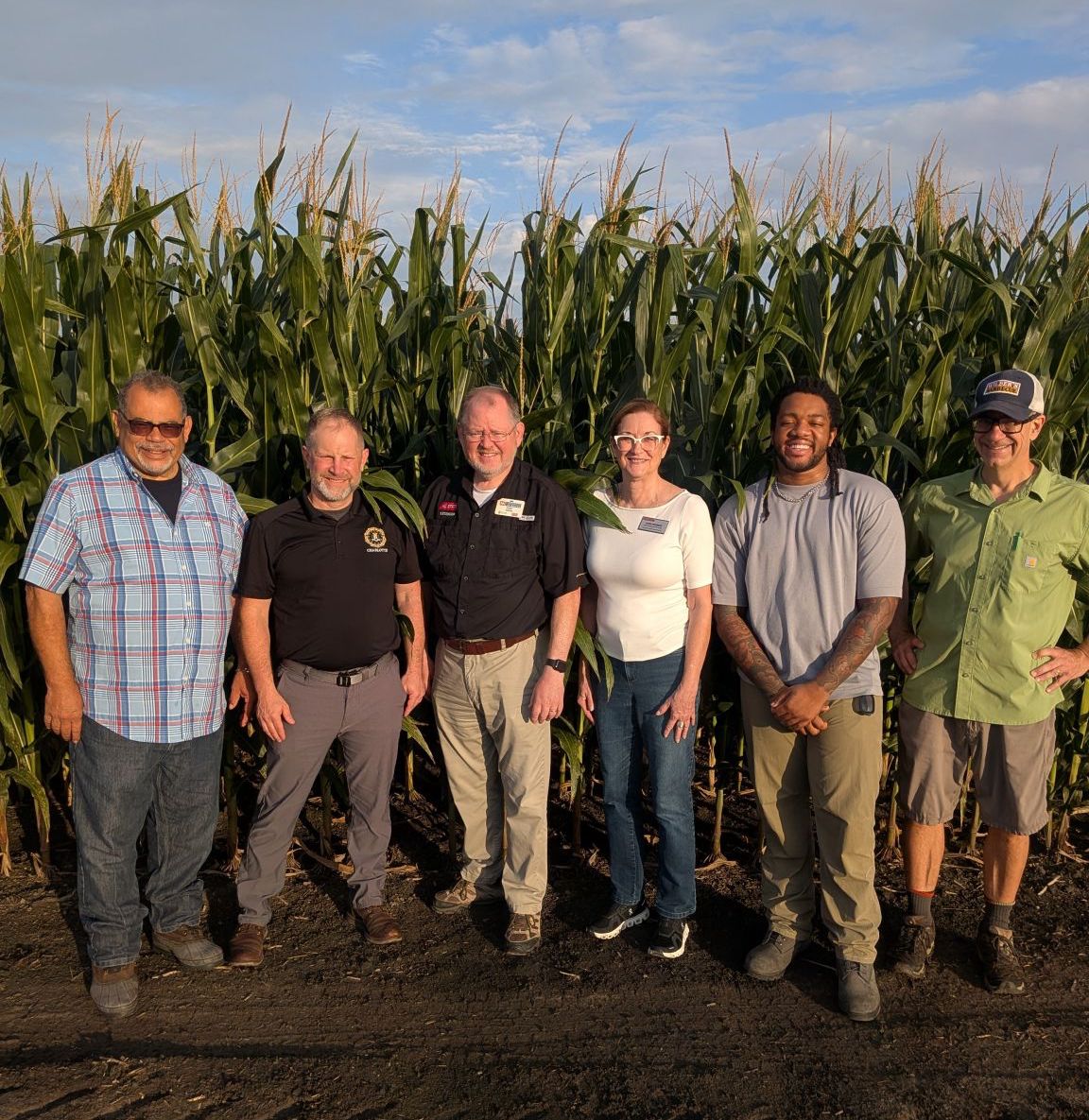
The potential benefits of becoming the leading state for cybersecurity are massive. Industry benefits because companies are helping design curriculum and working directly with the next generation of cybersecurity workers. Students benefit because they learn directly from industry leaders and work on real-world projects via senior design, practicum or capstone courses. Students also gain a clearer understanding of what working in the security industry looks like, so they’re able to hit the ground running and get better jobs as they advance in their careers.
Rodgers works closely with students through SCI, not necessarily as a technical instructor, but as a teacher with an eye on the bigger picture.
“When I’m trying to motivate students to be interested in this industry, and to continue pushing in their studies here at NC State, I often say, ‘You are a cyber warrior.’ I don’t care if you work for a mom-and-pop business with five people or a massive company, you are a cyber warrior. You’re protecting an entity and data, networks and assets. And that’s what a warrior does.”
The Great Connector
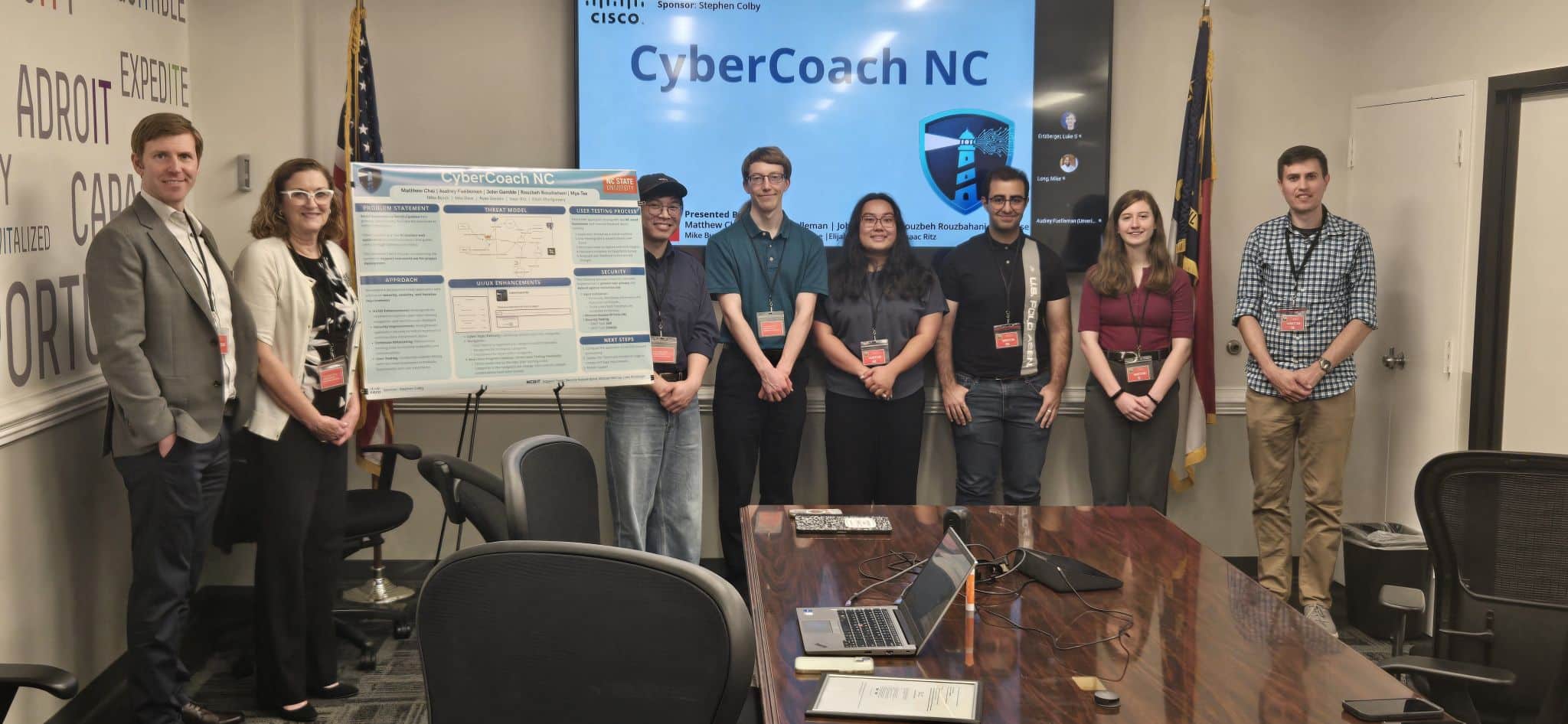
Rodgers’ work isn’t limited to NC State; through NC-PaCE, she serves as the liaison for businesses, the government and an intricate network of universities across North Carolina. This includes facilitating seminars, guest lectures and conference appearances. Having chief technology officers, CEOs, government officials and other industry leaders speak directly to students is an invaluable opportunity for both parties.
But it’s more than just talks. It’s about connecting people and companies that have a need, problem or goal with the people who can help solve it.
“My jobs right now are about elevating and amplifying, making sure that everybody has the information they need. I make sure everybody knows we’re here, what our programs are, what our outreach is and what our research is, so that they want to work with our NC-PaCE institutions,” said Rodgers. “Every institution has a niche. If I hear anything about maritime security, I say, ‘You should go talk to UNC Wilmington.’ If I hear anything about agriculture security, I say, ‘You should talk to NC State or N.C. A&T.’ I make sure that every opportunity I see, I figure out who needs to be a part of it.”
In the simplest of terms, “It’s knowing what everybody does and then finding somebody to connect them with.”
Networking to Secure Our Networks
Rodgers is gearing up for the 6th annual North Carolina Cybersecurity Symposium this coming February. Sponsored by NC-PaCE, the event’s theme is ‘Securing North Carolina’s Critical Infrastructure.’ This community-driven event encourages collaboration and creates a spirit of innovation among participants, presenters and sponsors.
Through her networking, Rodgers finds speakers to come and share updates, research and other information; under her direction, the symposium has grown significantly, more than doubling the number of attendees in just five years.
“I wanted to bring how I feel into the symposium in order to bring people together, to get them all in the same boat, paddling in the same direction toward national security,” said Rodgers.
“What can you do to help secure our critical infrastructure? Really, I want people to understand that we all have to work together, because this is too hard for any of us to do alone.”
All Together Now
It is important to remember that while the threat of cyberattacks and bad actors present a massive challenge, that challenge comes with opportunity.
Companies need well-trained, workforce-ready students. Government entities need contractors that are able to meet federal cybersecurity regulations. Local governments need to know that their electrical grids, water treatment plants and other critical infrastructure is safe and secure. Everybody needs safe, secure products and tools. Most importantly, people need to know their money, personal information and livelihoods are protected.
“This is a challenge we should look forward to and a problem we should feel honored to solve. To me, this is an honor. It is how I serve my country.”
To learn more about the importance of cybersecurity to North Carolinians, read the N.C. Department of Justice’s 2025 Data Breach Report.
- Categories: